The stadium lights dim, and for a moment the world holds its breath. Then—screams, bracelets glowing like constellations, a single figure stepping into view. Taylor Swift is not just arriving on stage; she is entering a shared emotional space built over nearly two decades of music, memory, and meticulous storytelling. Her songs travel like heirlooms—passed from teenage bedrooms to car radios, from heartbreak to healing—binding generations through melody and confession.
To understand Taylor Swift is to understand modern pop culture itself: how art circulates in the age of streaming, how fandom becomes community, and how a songwriter from Pennsylvania reshaped the business, language, and emotional vocabulary of global music. Her story is not only about fame, but about authorship, ownership, and the enduring human need to narrate our lives through song—an impulse as old as folk ballads and as current as TikTok trends (see the cultural evolution of popular music)
Origins and Evolution: From Country Roots to Global Pop Architect
Taylor Alison Swift was born in 1989 in Reading, Pennsylvania, a detail that later became both biography and branding (see 1989 (album). Raised on country music and inspired by storytellers like Shania Twain and the narrative traditions of American folk, Swift moved to Nashville as a teenager—the historic heart of country songwriting.
Her 2006 self-titled debut positioned her as a prodigy within country music, but even then, the pop instincts were evident: diaristic lyrics, melodic hooks, and an unusual insistence on writing or co-writing her own songs—an authorship stance that would later become central to her public battles over music ownership (see music publishing)
Albums like Fearless (2008) and Speak Now (2010) bridged country and pop, while Red (2012) experimented with genre hybridity—country twang meeting electronic pop and indie textures. By the time 1989 arrived, Swift had completed one of the most visible genre transitions in modern music history.
Modern Significance: Taylor Swift in the Streaming Era
Today, Taylor Swift is not merely a performer but an economic and cultural system. In the age of streaming platforms like Spotify and Apple Music, her releases can shift market behavior overnight. Her decision to re-record her early catalog—branded as Taylor’s Version—sparked global conversations about intellectual property rights and artist autonomy.
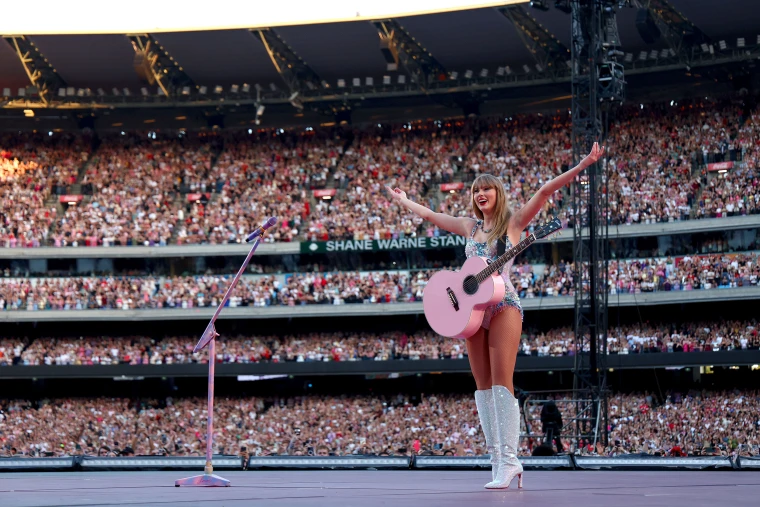
The Eras Tour became a macroeconomic event, boosting local economies, tourism, and even hotel occupancy rates—phenomena analyzed by outlets like The New York Times and The Economist. Swift’s influence now spans finance, law, digital culture, and even linguistics, as phrases from her lyrics enter everyday speech.
Where Taylor Swift Flourishes: Geography, Place, and Meaning
Swift’s music is deeply geographical. Nashville represents her origin myth; New York City—immortalized in 1989—symbolizes reinvention and urban freedom. London, where she lived during the Reputation era, subtly infuses her later songwriting with British literary tones and historical references.
Yet her truest geography may be digital. Online fandom spaces—Reddit, Tumblr, TikTok—function as transnational meeting grounds where interpretation, theory-building, and emotional exchange thrive. Swift exists simultaneously everywhere and nowhere, a global artist shaped by local listening experiences.
Styles and Variations: Reinvention as Method
Taylor Swift’s discography reads like a map of modern genres:
- Country narrative (Fearless)
- Pop maximalism (1989)
- Dark electro-pop (Reputation)
- Indie-folk minimalism (Folklore, Evermore)—inspired by literary storytelling traditions
- Synth-pop nostalgia (Midnights)
Each “era” is not just sonic but visual, linguistic, and emotional—complete with fashion cues, color palettes, and thematic symbols (see concept album)
Table 1 – Popular Regions and Their Signatures
| Region / Context | Defining Features | Experience Type |
| Nashville, USA | Songwriting culture, country roots | Origin & craft |
| New York City | Reinvention, pop confidence | Urban transformation |
| Global Stadium Tours | Mass communal rituals | Collective spectacle |
| Digital Platforms | Fan theory, remix culture | Participatory fandom |
| Indie Folk Spaces | Intimacy, storytelling | Reflective listening |
Cultural and Environmental Impact
Swift’s cultural footprint extends into gender politics, particularly around how female ambition is framed in the media. Her public disputes over masters ownership ignited industry-wide reconsiderations of record label power.
Environmentally, large-scale tours raise questions about carbon footprints. Swift’s team has responded with carbon offset programs—reflecting broader debates about sustainability in live entertainment.
How to Experience Taylor Swift Today
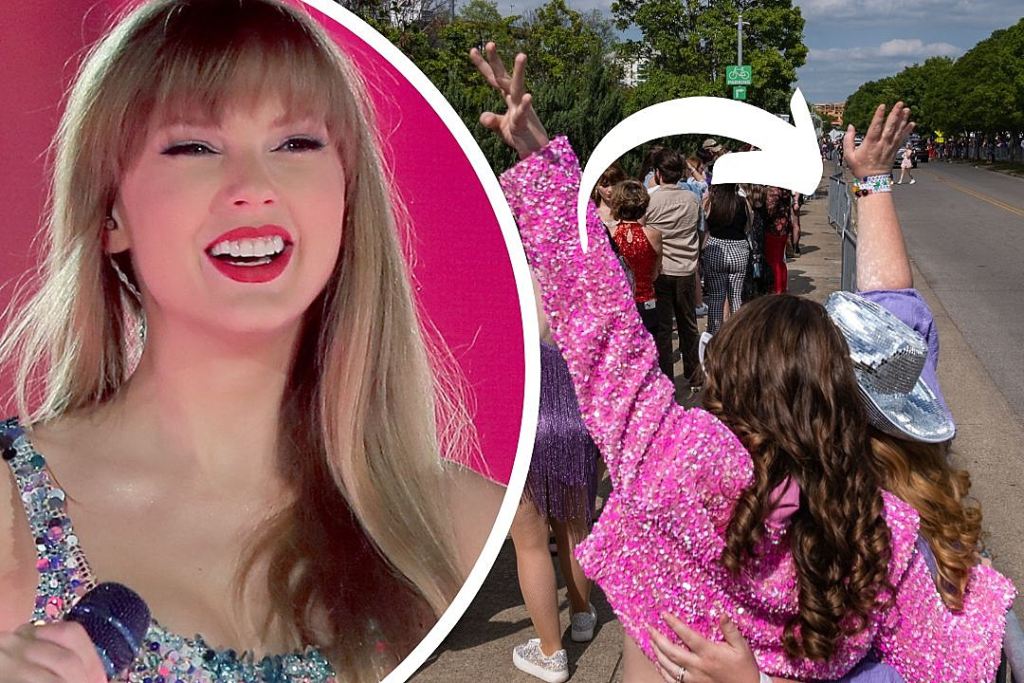
Experiencing Taylor Swift is no longer passive. Fans prepare for album releases like cultural holidays—decoding Easter eggs, tracking color schemes, and analyzing lyrics through platforms like Genius. Concert attendance requires logistical planning akin to pilgrimage, complete with travel, budgeting, and digital ticketing systems.
Seasonally, album drops often align with emotional calendars—Red for autumn melancholy, Folklore for pandemic-era introspection, Midnights for late-night self-reflection.
Global Comparison: Swift and Worldwide Musical Traditions
Table 2 – Comparing Taylor Swift to Global Traditions
| Feature | Taylor Swift | Global Folk Traditions | K-Pop Industry |
| Mood | Personal, confessional | Communal, ancestral | Energetic, aspirational |
| Common Tools | Songwriting, albums, tours | Oral storytelling, instruments | Visual choreography, groups |
| Cultural Focus | Individual narrative | Collective identity | Performance precision |
| Main Appeal | Emotional relatability | Heritage preservation | Spectacle and branding |
Expert Insights: A Conversation at Dusk
The interview takes place in a quiet Brooklyn café, vinyl records lining the walls. Rain taps softly against the window.
Q: Why does Taylor Swift resonate across generations?
A: “Because she treats emotion as data,” says Dr. Lena Morris, a musicologist specializing in popular culture. “She archives feeling in real time.”
Q: Is her success more cultural or commercial?
A: “Both. She’s proof that commerce and art don’t have to be enemies.”
Q: What role does fandom play?
A: “Her fans aren’t consumers; they’re collaborators.”
Q: Will her model change the industry long-term?
A: “It already has. Ownership is now part of the artist’s narrative.”
Q: What endures beyond the charts?
A: “The songs. Strip away the spectacle, and the writing still stands.”
Key Takeaways
- Taylor Swift blends authorship, performance, and strategy.
- Her career mirrors shifts in media, technology, and gender politics.
- She transforms fandom into a participatory culture.
- Her influence extends beyond music into economics and law.
FAQs
Is Taylor Swift primarily a pop or country artist?
She began in the country but evolved into a multi-genre artist spanning pop, folk, and indie.
Why did she re-record her albums?
To regain ownership of her masters and assert artist rights (see Taylor’s Version: https://en.wikipedia.org/wiki/Taylor%27s_Version).
What makes her songwriting distinctive?
Narrative specificity combined with universal emotion.
How has she impacted the music industry?
By reshaping conversations around ownership, streaming, and artist autonomy.
Conclusion: The Future of a Living Songbook
Taylor Swift is not a static icon but a living archive—constantly revised, reinterpreted, and reclaimed. As technology evolves and attention spans fragment, her work reminds us that stories still matter, that songs can still hold lives together. In an age of noise, she offers narrative. In a culture of speed, she insists on memory.
And perhaps that is her greatest legacy: not the records broken, but the moments preserved—set to music, waiting for the next listener to press play.

