Hellooworl appears quietly, almost shyly, on a glowing screen — a word that looks familiar but feels unfinished. It is typed late at night by a beginner, in a dorm room, a small bedroom, or a crowded café, where the only sound is the click of keys and the soft breath of a machine waiting to respond. At that moment, hellooworl is not an error. It is an introduction.
The act of asking a machine to speak back has defined modern life, from early computing labs to today’s cloud-based platforms and AI tools. And it almost always begins with a greeting.
The Origins of a Digital Greeting
The ritual behind hellooworl traces back to “Hello, World,” the most famous first program in computing history. The phrase gained widespread recognition after appearing in The C Programming Language by Brian Kernighan and Dennis Ritchie, a foundational text that helped standardize modern programming practices.
Kernighan later explained that the phrase was chosen because it was short, friendly, and emotionally neutral — a safe first exchange between human and machine. Over time, this simple output became a shared global tradition, taught in classrooms, tutorials, and documentation across languages like Python, Java, andJavaScript..
hellooworl emerges when that tradition meets real human behavior: speed, excitement, and imperfection.
Error as a Learning Language
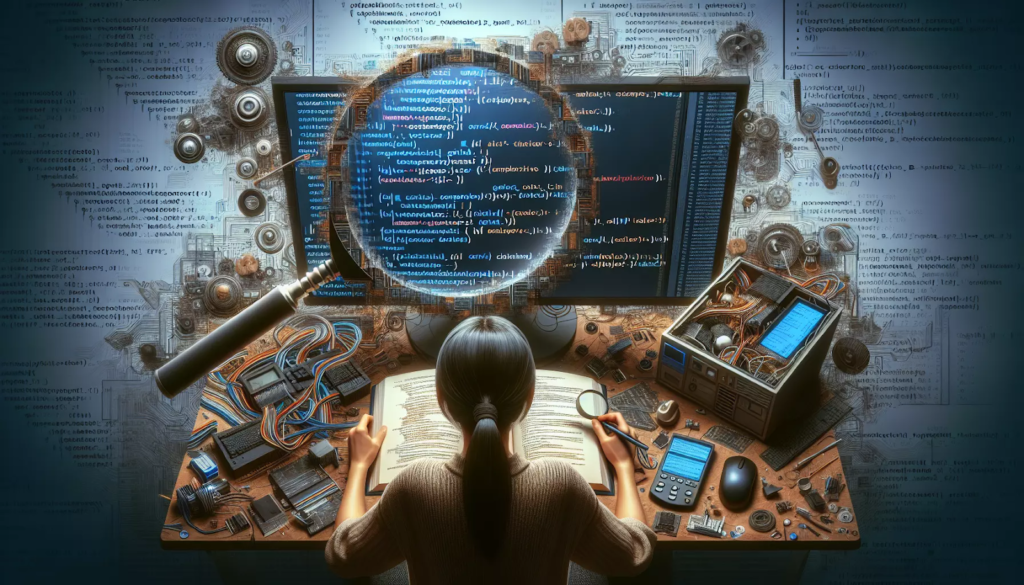
In software development, mistakes are not side effects — they are signals. Typographical errors like hellooworl are often a learner’s first encounter with debugging, a core skill in programming culture.
Educational research shows that early, low-stakes errors help learners build confidence and persistence, especially in technical fields. The missing letter becomes a lesson: machines are precise, humans are not — and understanding grows in the space between the two.
Online communities such as Stack Overflow and GitHub have turned these early mistakes into shared humor and collective memory, where screenshots of first outputs live on as quiet proof of beginnings.
Cultural Meaning in a Small Word
Beyond programming, hellooworl represents something deeply human: the desire to be acknowledged. Media theorists often describe technology as a conversation, not a tool — a relationship shaped by feedback and response.
Like a child’s first spoken word or a traveler’s first sentence in a new language, the imperfect greeting carries emotional weight. It signals entry into a new culture — one governed by logic, syntax, and patience.
This is why “Hello, World” has survived decades of technological change. Even as software becomes more abstract and AI-generated code reduces friction, learners still want that first moment of contact (Harvard CS50).
Why hellooworl Still Matters Today
In an era of automation, low-code platforms, and artificial intelligence, it might seem unnecessary to type anything at all. Yet learning environments still encourage users to write, test, and fail — because understanding is built through interaction, not shortcuts.
hellooworl reminds us that technology does not begin with mastery. It begins with curiosity. With uncertainty. With a greeting that may not be perfect, but is sincere.
Frequently Asked Questions
Is hellooworl an official programming term?
No. It is an informal variation that reflects common beginner mistakes.
Why is “Hello, World” used instead of another phrase?
Its simplicity and neutrality made it ideal for early programming documentation.
Does making mistakes early actually help learning?
Yes. Studies show early feedback and correction improve long-term retention.
Is this tradition global?
Yes. Variations of “Hello, World” appear in programming education worldwide, across languages and cultures.
Conclusion: A Small Greeting That Never Leaves Us
hellooworl is unfinished — and that is precisely why it matters. It captures the moment before fluency, before confidence, before expertise. Long after interfaces become invisible and machines speak fluently on our behalf, that first imperfect greeting remains a quiet landmark.
It is proof that every digital journey begins not with perfection, but with a human reaching out — hoping something, somewhere, will answer back.
Read Also: Amateurallrue: The Intimacy Economy and the Quiet Reinvention of Desire Online

