Jememôtre: It begins softly, almost shyly—like a whispered confession typed into a notes app at 2:13 a.m. The word appears on screens before it appears in dictionaries, floating through captions, usernames, and comment threads, carrying with it a sensation rather than a definition. To encounter jememôtre is to feel something half-remembered: a mix of self-recognition, longing, and the distinctly modern ache of being seen without being fully understood.
This is not a word that arrives with fanfare. It slips in through the cracks of the internet, where language mutates fastest, and meaning is shaped collectively. jememôtre—a stylized fusion that echoes French linguistic intimacy—has begun to circulate in digital spaces as both expression and identity, signaling a cultural moment in which emotion, selfhood, and language blur into one another.
The Birth of a Word That Refused Definition
Languages have always evolved through necessity. New words emerge when old ones fail. Linguists have long observed that neologisms often appear during periods of cultural or technological disruption, when existing vocabulary cannot adequately describe new emotional or social realities.
jememôtre appears to belong to this lineage. Though not formally recognized by institutions like the Académie Française, it draws unmistakably from French linguistic roots—je (I), même (self/same), and être (to be). The circumflex, a diacritical mark deeply embedded in French orthography, lends the word a poetic gravity.
Rather than functioning as a sentence, jememôtre behaves like a state of being. It resists translation, much like French expressions such as dépaysement or l’appel du vide, which capture emotional experiences more than concrete actions.
Digital Soil: Where jememôtre Took Root
The internet has become the most fertile ground for linguistic experimentation. Social platforms—particularly Instagram, TikTok, and Tumblr—encourage brevity, symbolism, and aesthetic language. In these spaces, words are not merely read; they are performed, stylized, and emotionally encoded.
jememôtre thrives in captions beneath grainy photographs, in usernames that signal sensitivity, in short videos paired with ambient music. Its spread mirrors earlier digital language movements, such as the rise of internet slang or aesthetic micro-genres like cottagecore, where vocabulary becomes a gateway to belonging.
Unlike viral slang designed for humor or speed, jememôtre is slow. It invites pause. It asks the reader to feel before understanding.
The Emotional Architecture of jememôtre
What does jememôtre mean to those who use it? Interviews, comment threads, and digital ethnographies suggest a shared emotional core: authenticity without performance. In an era dominated by branding of the self—where identity is curated, optimized, and monetized—*jememôtre* gestures toward something quieter.
It represents the desire to exist without explanation. To be, without becoming content.
Psychologists studying digital identity note a growing fatigue among young users, who feel pressure to maintain coherence across platforms. jememôtre appears as a subtle rebellion against this demand—a linguistic refuge where contradiction is allowed.
Aesthetics, Mood, and the Visual Language Around It
Words online rarely travel alone. They are accompanied by images, sounds, and textures. The visual ecosystem around jememôtre is consistent: muted colors, analog photography, urban solitude, blurred motion. These aesthetics align with broader minimalist and introspective visual cultures influenced by European cinema and photography.
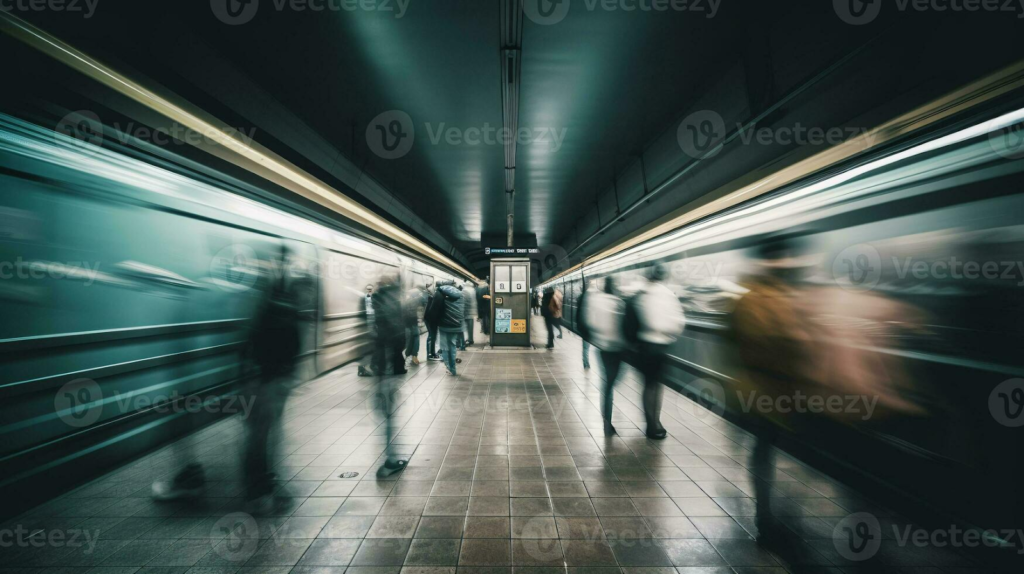
Music associated with jememôtre often includes ambient, lo-fi, or chanson-inspired tracks—genres known for emotional subtlety rather than spectacle. Together, these elements form a sensory language where jememôtre is not explained but felt.
Who Uses jememôtre—and Why
The audience drawn to jememôtre skews young but thoughtful: students, artists, designers, writers, and those navigating transitional life stages. Sociologists describe this demographic as particularly attuned to “micro-identities”—fluid, situational selves expressed through cultural signals.
To use jememôtre is to signal emotional literacy. It says: I am present with myself. I am not performing happiness.
This resonates in a post-pandemic world, where collective trauma reshaped how people relate to solitude and introspection.
A Brief Comparative Glance
Culturally, jememôtre shares DNA with concepts like the Japanese mono no aware—an awareness of impermanence—and the Portuguese saudade, a deep emotional longing. Yet it is distinctly contemporary, shaped by screens rather than seasons, algorithms rather than folklore.
Its Frenchness matters. France’s long-standing tradition of philosophical introspection—from Descartes to existentialism—provides fertile cultural context for a term that centers being over doing.
FAQs About jememôtre
Is jememôtre officially recognized in French dictionaries?
No, it remains an informal, digital-era expression.
Is it French or internet slang?
It exists at the intersection—rooted in the French language, shaped by internet culture.
How do people use jememôtre?
Primarily as an expressive marker in captions, usernames, and creative writing.
Can it be translated?
Not precisely. Its meaning is experiential rather than literal.
Why jememôtre Matters
In a world increasingly optimized for speed, clarity, and performance, jememôtre insists on slowness. It is a word that does not sell, shout, or instruct. It simply exists—and invites others to do the same.
Language shapes how we understand ourselves. By naming a feeling of quiet self-presence, jememôtre offers cultural permission to pause. To be incomplete. To be human without annotation.
Perhaps that is why it resonates. Not because it explains who we are—but because it allows us, briefly, to stop explaining at all.
Read Also: Melanie at CraigScottCapital: Inside a Name, a Firm, and the Quiet Anatomy of Wall Street’s Moral Tests

