Guia silent hill geekzilla begins not as a checklist or walkthrough, but as a feeling: the sound of a distant siren cutting through static, the slow drift of ash that might be snow, and the sense that the town itself is watching you. Silent Hill has always been less about monsters than about memory, guilt, and the stories people tell themselves to survive. Guides like the one curated by Geekzilla emerge from that emotional terrain—not merely to help players finish a game, but to help them understand why it lingers long after the screen fades to black.
Origins in Psychological Horror
Silent Hill was born in 1999, developed by Konami’s Team Silent, during a moment when video games were beginning to explore psychological depth rather than pure action. Inspired by Western horror cinema like Jacob’s Ladder and the writings of Stephen King, the series positioned fear as something internal. The guia silent hill geekzilla draws heavily from this lineage, contextualizing puzzles and endings within the broader history of psychological horror as a genre.
The Evolution of a Guide, and a Community
As Silent Hill expanded—from the original game to Silent Hill 2 and beyond—the fandom evolved into a global interpretive community. Geekzilla, a Spanish-language geek culture platform (Geekzilla), reflects this shift. Their guide is not static; it evolves with remakes, fan theories, and renewed interest sparked by modern horror revivals and upcoming adaptations.
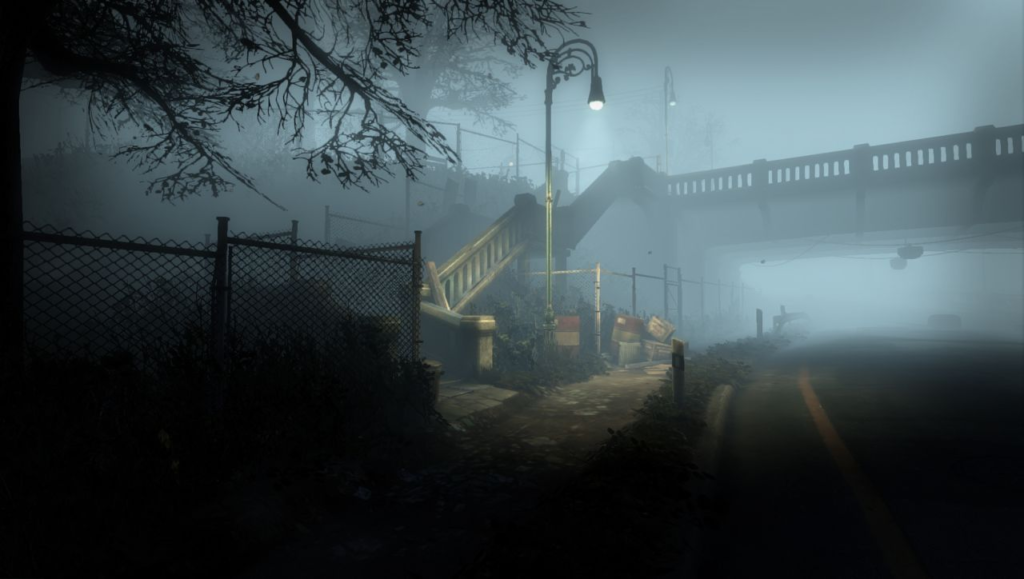
What distinguishes guia silent hill geekzilla is tone. It treats gameplay mechanics alongside symbolism—why fog limits vision, why radios crackle near danger—linking design choices to emotional effect.
Symbols, Streets, and Meaning
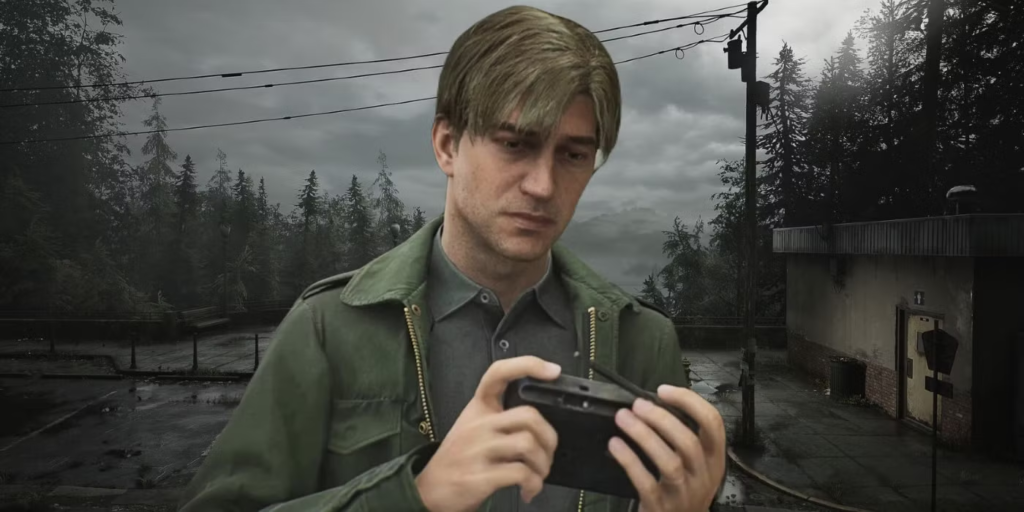
Silent Hill’s town is a character shaped by American rust-belt imagery, loosely inspired by Centralia, Pennsylvania. The guide reads the environment like literature, echoing methods of literary analysis. Monsters become metaphors; endings reflect moral psycholog.
In this way, guia silent hill geekzilla functions less like a map and more like an essay—bridging play and interpretation, technology and emotion
Why Silent Hill Still Matters
In an era dominated by fast-paced horror and jump scares, Silent Hill’s slow dread feels almost radical. The guide’s renewed popularity aligns with a cultural turn toward “slow media” and reflective storytelling. Younger players discover it through streaming platforms like YouTube and Twitch, while older fans return seeking meaning rather than mastery.
Expert Conversation: Reading Fear, Not Fighting It
I spoke with a game studies lecturer in a quiet university café, rain streaking the windows—an oddly appropriate setting.
Q: Why do guides like Geekzilla matter for Silent Hill?
A: “Because Silent Hill isn’t intuitive. It’s symbolic. A guide that explains why something exists deepens the experience.”
Q: Is this still relevant for modern players?
A: “Absolutely. It teaches emotional literacy through play.”
Q: Does explanation ruin fear?
A: “No. Understanding often makes it more disturbing.”
Q: What does Silent Hill say about humanity?
A: “That our inner worlds are scarier than monsters.”
FAQs
Is guia silent hill geekzilla beginner-friendly?
Yes. It balances basic progression and helps with deeper analysis.
Does it cover multiple Silent Hill games?
Primarily the classics, with references to later entries and remakes.
Is Silent Hill more horror or drama?
Both—often described as psychological dramas wrapped in horror aesthetics.
Why is fog so important?
It limits vision intentionally, reflecting uncertainty and repression.
Conclusion: Leaving the Town, Carrying the Fog
Guia silent hill geekzilla is ultimately about companionship—someone walking beside you through fear, helping you notice details you might miss. Silent Hill endures because it mirrors the human condition: fragmented, haunted, searching for meaning. When the console shuts off and the fog lifts, something stays behind. Not terror, but understanding.

