Atwater’s spider web tarts recall surfaced at the exact moment seasonal indulgence peaks, turning a playful Halloween dessert into an unexpected lesson about modern food systems. The bakery aisle in early autumn has a particular smell—sugar, spice, and nostalgia layered together like memory itself. It was in that familiar setting that news of the atwater’s spider web tarts quietly entered public consciousness, not with panic, but with confusion and a soft sense of loss. A seasonal pastry meant to evoke Halloween whimsy suddenly carried the weight of caution, regulation, and trust questioned.
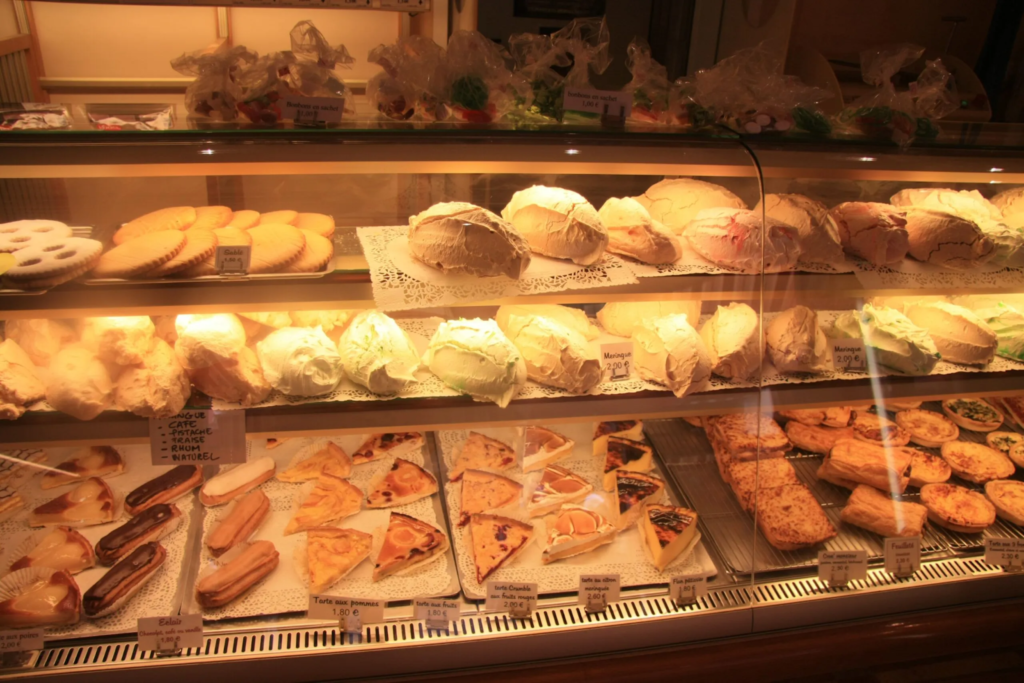
A Bakery Tradition, Interrupted
Atwater’s, a name associated with artisanal baked goods and regional familiarity, occupies a specific place in American food culture, where local bakeries often serve as community anchors. The spider web tart—decorative, playful, fleeting by design—was part of a broader tradition of holiday-themed foods that blend celebration with craftsmanship. Its recall did not just remove a product from shelves; it paused a ritual.
How Recalls Enter the Public Story
Food recalls are not new. They are structured responses within a regulatory ecosystem shaped by agencies like the U.S. Food and Drug Administration. Historically, recalls sit at the intersection of science, liability, and public health. In the case of the atwater’s spider web tarts recall, the issue echoed broader concerns about allergens, labeling accuracy, and cross-contamination—quiet risks in festive foods.
The Emotional Weight of Food Safety
Food is never just sustenance. Anthropologists have long noted its role in identity and comfort. When a beloved item is recalled, especially one tied to a season, it can feel personal. Parents hesitate, customers question brands, and trust—built slowly through routine—suddenly requires repair. This is why recalls resonate beyond press releases.
Inside the Recall Conversation
I spoke with a food safety consultant over coffee in a quiet café, the hum of an espresso machine filling pauses.
Q: Why do bakery items face unique recall challenges?
A: “Small batches and decorative elements increase variability. That’s where risks hide.”
Q: Are recalls signs of failure?
A: “Not always. Often they show systems working as intended.”
Q: How should consumers respond emotionally?
A: “With caution, but not fear. Transparency matters more than perfection.”
Q: What’s the long-term impact on brands?
A: “Handled well, recalls can actually build trust.”
These insights align with broader discussions in food risk management.
Seasonal Foods and Modern Scrutiny
Holiday treats exist in a paradox. In an age of social media amplification, even limited recalls can feel omnipresent. The atwater’s spider web tarts recall became part of this digital echo, shared, speculated on, and archived online.

FAQs
Why was the spider web tart recalled?
The recall centered on safety and labeling concerns, common triggers in bakery-related recalls.
Are recalled baked goods dangerous?
Not always. Many recalls are precautionary, aimed at preventing potential harm.
How do recalls affect small food producers?
They can be disruptive but also reinforce accountability within local food systems.
Do seasonal items face higher recall risks?
Decorative complexity and short production windows can increase oversight challenges.
What Lingers After the Shelves Are Cleared
The atwater’s spider web tarts recall will fade from headlines, but its meaning lingers. It reminds us that even the most charming foods are part of vast systems of regulation, science, and trust. In that sense, the recall is not just about a tart—it is about how modern life balances pleasure with precaution. And next autumn, when the bakery case fills again, the choice to reach for a seasonal treat will carry a little more awareness, and perhaps, a deeper appreciation for the invisible care behind it.

