The Lake Elsinore Motorsports Park accident unfolded in seconds, yet its impact stretched far beyond the track and into the lives gathered around it. The desert air around Lake Elsinore Motorsports Park usually vibrates with sound—two-stroke engines screaming, dirt kicked into the California sky, spectators leaning forward as if motion itself might spill into their laps. On the day of the Lake Elsinore Motorsports Park accident, that familiar roar fractured into something else entirely: a sudden stillness, punctured by shouts, sirens, and the uneasy knowledge that a place built for adrenaline had crossed into tragedy.
Motorsports parks are designed to flirt with danger. That tension—between control and chaos—is the very reason people come. Lake Elsinore Motorsports Park, long known as a cornerstone of Southern California’s off-road racing culture, sits at the intersection of sport, community, and risk. It is a venue shaped by decades of motocross history, echoing the broader evolution of motorsports in the United States
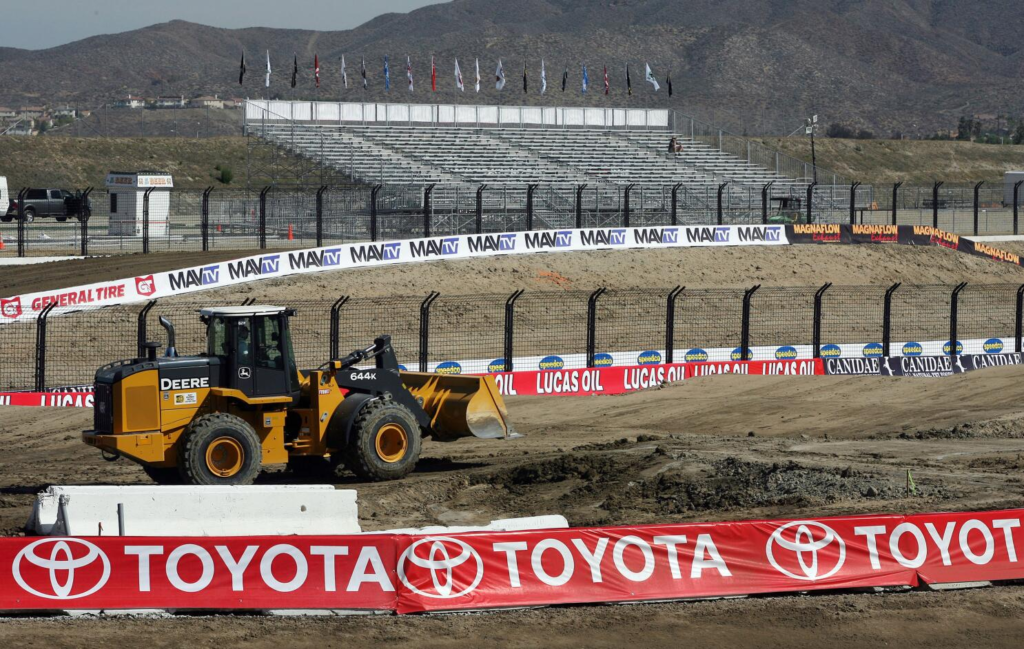
A Place Built on Speed and Belonging
Lake Elsinore itself, a city shaped by recreation and outdoor sport, has long embraced motorsports as part of its identity. The park became a proving ground for amateur riders and professionals alike, reflecting motocross’s rise from countercultural pastime to globally regulated sport. Tracks like this are not just circuits of dirt; they are social ecosystems where families gather, mechanics trade advice, and young riders chase the dream of competition.
That context matters when an accident occurs. The Lake Elsinore Motorsports Park accident was not just an isolated incident; it rippled through a tight-knit community. Accidents in motorsports, while statistically rare compared to participation levels, force a reckoning with safety standards, liability, and the psychological toll on riders and spectators.
When Safety Meets Reality
Modern motorsports rely on layers of precaution—helmets engineered with advanced materials, track marshals, emergency medical response protocols rooted in trauma medicine. Yet no system is infallible. High speeds, mechanical failure, and human error converge in ways that defy prediction.
In the aftermath of the Lake Elsinore Motorsports Park accident, conversations shifted from lap times to accountability. Similar incidents across the world—from European rally stages to American motocross circuits—have driven reforms, including stricter track design guidelines and improved rider education. Each accident becomes part of a grim but necessary data set shaping the future of the sport.
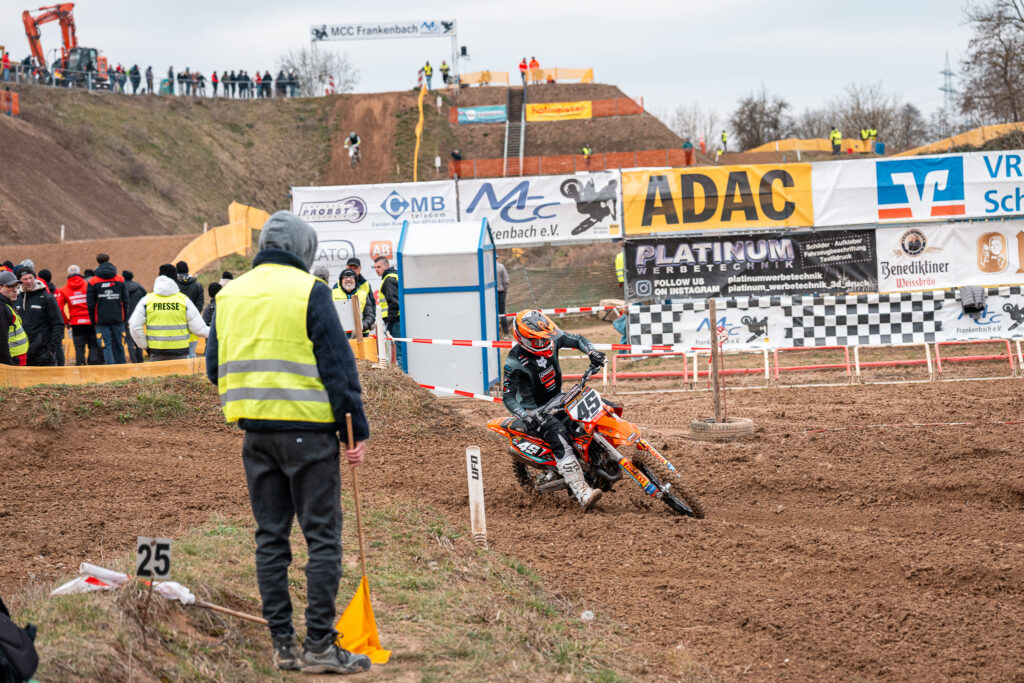
An Expert’s Quiet Perspective
I spoke with a motorsports safety consultant on a late afternoon call, the hum of a racetrack audible behind him. He has advised events sanctioned by organizations like the AMA.
Q: Why do accidents at local tracks resonate so deeply?
A: “Because these are community spaces. People know each other. When something happens, it’s not abstract—it’s personal.”
Q: Are accidents increasing?
A: “Not necessarily. Participation has grown, and so has visibility. What’s changed is how quickly these incidents enter public conversation.”
Q: What’s the hardest lesson?
A: “Accepting that zero risk doesn’t exist. The goal is minimizing harm, not pretending danger can be erased.”
Q: Does culture play a role?
A: “Absolutely. Motorsports culture values resilience. Balancing that with vulnerability is the real challenge.”

Why It Still Matters
The Lake Elsinore Motorsports Park accident sits within a broader American dialogue about risk, recreation, and responsibility. From extreme sports to everyday driving (https://en.wikipedia.org/wiki/Road_traffic_safety), society constantly negotiates how much danger is acceptable in pursuit of passion. For riders, the track is a place of identity formation; for families, it is a weekend ritual; for cities like Lake Elsinore, it is economic and cultural infrastructure.
FAQs
Was the Lake Elsinore Motorsports Park accident unique?
No. Similar incidents occur globally, though each has distinct causes and outcomes.
Are motorsports parks safe for beginners?
With proper training and adherence to safety rules, risks are managed but never eliminated.
Do accidents lead to rule changes?
Often, yes. Many safety innovations emerge directly from post-accident analysis.
Why do people continue despite the risks?
For many, the emotional payoff—freedom, mastery, community—outweighs fear.
The Quiet Afterward
Long after the engines restart, accidents linger in memory. The Lake Elsinore Motorsports Park accident reminds us that speed and stillness are never far apart. In that fragile space between thrill and loss, motorsports continues—changed, questioned, but deeply human. The dust settles, the track endures, and the community carries forward, wiser and more aware of the cost behind the roar.

